
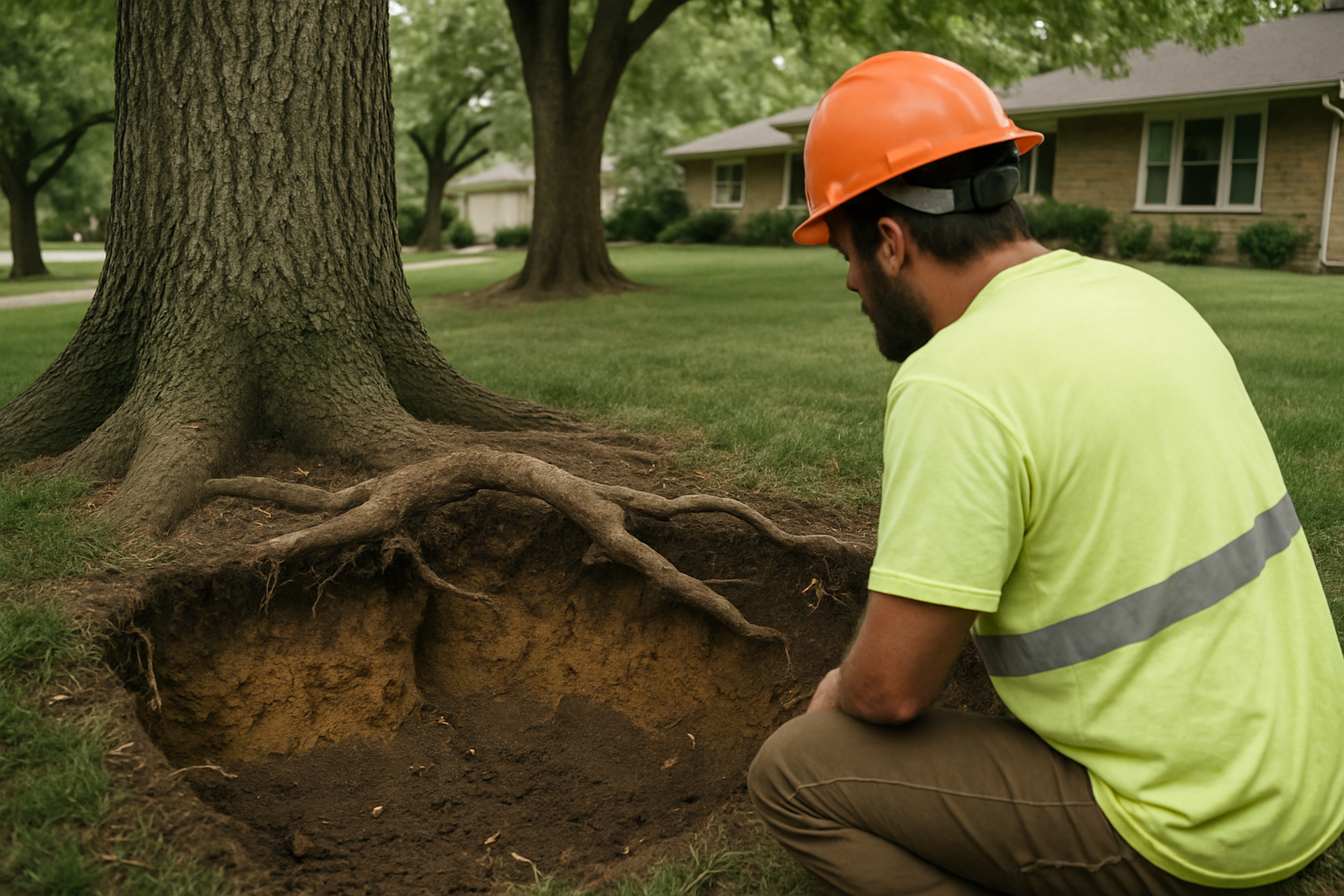
How Soil Conditions in Kansas City Impact Tree Growth
by gradeatreeTree Care0 comments
Comprehending how soil conditions in Kansas City impact tree growth is the difference between a flourishing yard and a constant uphill battle against wilt and rot. You can’t just dig a hole and hope for the best. You have to work with the chemistry of the earth.
If your saplings are struggling or your mature oaks look a bit thin, the culprit is likely lurking beneath the grass. Most people look at the leaves when a tree fails. But, the real story is in the dirt.
What Trees are Native to Kansas City?
Some native species have spent centuries adapting to the local subterranean environment. For instance:
- Bur Oak
- Black Walnut
- Eastern Red Cedar
These hardy varieties are biologically ‘wired’ to handle the tight, heavy ground found here. When you consult with tree care experts in Kansas City, they recommend these natives because they are genetically prepared for the
- Specific drainage challenges
- Mineral availability of the region
What Impact Does The Soil Profile Have on the Plants that Grow?
The soil profile dictates how much oxygen and water reach the root zone. In many suburban areas, heavy compaction from construction creates a ‘bathtub effect.’ Water sits around the roots instead of draining away. This suffocates the vascular system of the tree.
Browsing through Grade-A Tree reviews shows that the most successful landscapes are those where the homeowner addressed these structural soil issues before planting.
How Soil Conditions in Kansas City Impact Tree Growth?
The local ground is notorious for its
- High clay content
- Fluctuating pH levels
These are not just minor inconveniences. They are functional barriers to nutrient uptake. When you analyze how soil conditions in Kansas City impact tree growth, you have to look at how these elements interact to either feed or starve your canopy.
Compaction and Oxygen Depletion
Clay particles are tiny and pack together tightly. They leave almost no room for air. Roots need to ‘breathe’ to convert stored energy. Compacted clay can lead to stunted development. Mechanical aeration or vertical mulching can help break up this density. They allow the root system to expand and anchor the tree properly.
pH Fluctuations and Nutrient Lockout
Our local soil leans toward the alkaline side. When the pH is too high, essential minerals become ‘locked’ in the soil. It means that the tree cannot absorb them even if they are present. This leads to chlorosis - leaves turn yellow while the veins stay green. This is a primary example of how soil conditions in Kansas City impact tree growth by causing chronic malnutrition despite regular watering.
The Bottom Line
You cannot change the geography. But, you can definitely manage the chemistry of your backyard. Focus on aeration, proper mulching, and targeted fertilization. You can overcome the natural hurdles of heavy clay. Keep studying how soil conditions in Kansas City impact tree growth so you can make smarter choices for your property.
If you are witnessing signs of stress, reach out to Grade-A Tree Care to get a professional assessment of your soil health before the damage becomes permanent.
Professional Tree Care in Kansas City
Keep your trees healthy year-round with our Annual Tree Care Program. For $75/year, get expert inspections, pruning advice, and priority scheduling. Serving the Kansas City metro area.
Learn about the Annual Tree Care Program
0 Comments
Add a comment