
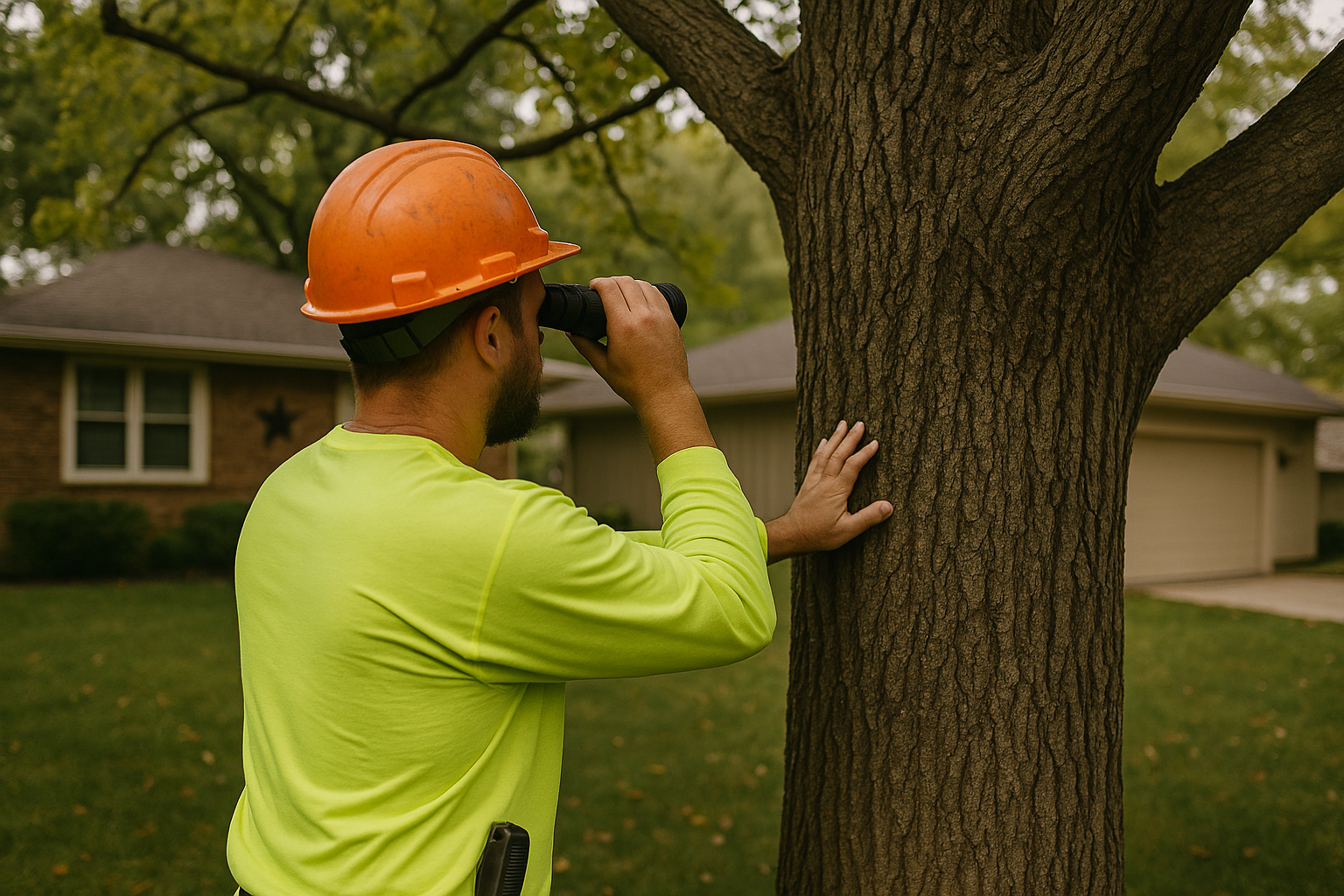
DIY Tree Inspection Tips for Kansas City
by gradeatreeTree Care0 comments
Key Takeaways
- Understand the basics of DIY tree inspection.
- Identify common signs of tree health issues.
- Know when to call professional tree services in Kansas City.
Why DIY Tree Inspections Are Important
Conducting regular tree inspections is crucial for maintaining tree health and preventing potential hazards. In Kansas City, where the climate can vary significantly between seasons, understanding how to inspect your trees is essential for their longevity and safety.
How to Perform a DIY Tree Inspection
Start with the Roots
Begin your inspection at the base. Look for signs of decay, soil compaction, or exposed roots. Healthy roots are vital for a tree's stability and nutrient absorption.
Examine the Trunk
Check for cracks, holes, or any unusual growths on the trunk. These could indicate pest infestations or diseases. If you notice significant damage, it might be time to consider professional tree removal.
Inspect the Branches
Look for dead or broken branches that could pose safety risks. Regular tree trimming and pruning can help manage this issue and promote healthy growth.
Seasonal Tree Care Tips for Kansas City
Spring
As trees come out of dormancy, check for new growth. Prune any winter damage and ensure the tree is well-watered.
Summer
Inspect for pests, which are more prevalent during warmer months. Ensure your trees are getting enough water, especially during dry spells.
Fall
Look for early signs of leaf drop or discoloration, which could indicate underlying health issues. Fall is also a good time to perform stump grinding and removal to prepare for winter.
Winter
Check for ice damage. Prune any broken branches to prevent further damage. Consider joining our Annual Tree Care Program for regular maintenance.
Common Tree Health Issues in Missouri and Kansas
Pests and Diseases
Be vigilant for signs of pests like the Emerald Ash Borer, which can be devastating to local trees. Learn more about pest management from the USDA.
Weather Damage
Kansas City experiences severe weather, including storms and tornadoes, which can damage trees. After a storm, inspect your trees for broken branches or leaning trunks.
When to Call a Professional
While DIY inspections are beneficial, some situations require professional attention. If you notice extensive damage or are unsure about a tree's health, contact Grade A Tree Care.
Conclusion
Regular DIY inspections can help maintain healthy trees and prevent potential hazards in your Kansas City yard. However, partnering with a local, experienced company like Grade A Tree Care ensures your trees receive the best care. Explore our A-List Reward Program for comprehensive tree maintenance.
FAQ
How often should I inspect my trees? It's recommended to inspect your trees at least once per season or after major weather events.
What tools do I need for a DIY tree inspection? A pair of binoculars, gloves, a camera, and a notepad can be helpful tools for a thorough inspection.
What are the signs of a diseased tree? Look for discolored leaves, unusual growths, and dead branches. These could indicate disease and may require professional diagnosis.
Sources & References
- USDA
Professional Tree Care in Kansas City
Keep your trees healthy year-round with our Annual Tree Care Program. For $75/year, get expert inspections, pruning advice, and priority scheduling. Serving the Kansas City metro area.
Learn about the Annual Tree Care ProgramSources & References
Frequently Asked Questions
How often should I inspect my trees?
It's recommended to inspect your trees at least once per season or after major weather events.
What tools do I need for a DIY tree inspection?
A pair of binoculars, gloves, a camera, and a notepad can be helpful tools for a thorough inspection.
What are the signs of a diseased tree?
Look for discolored leaves, unusual growths, and dead branches. These could indicate disease and may require professional diagnosis.
0 Comments
Add a comment