
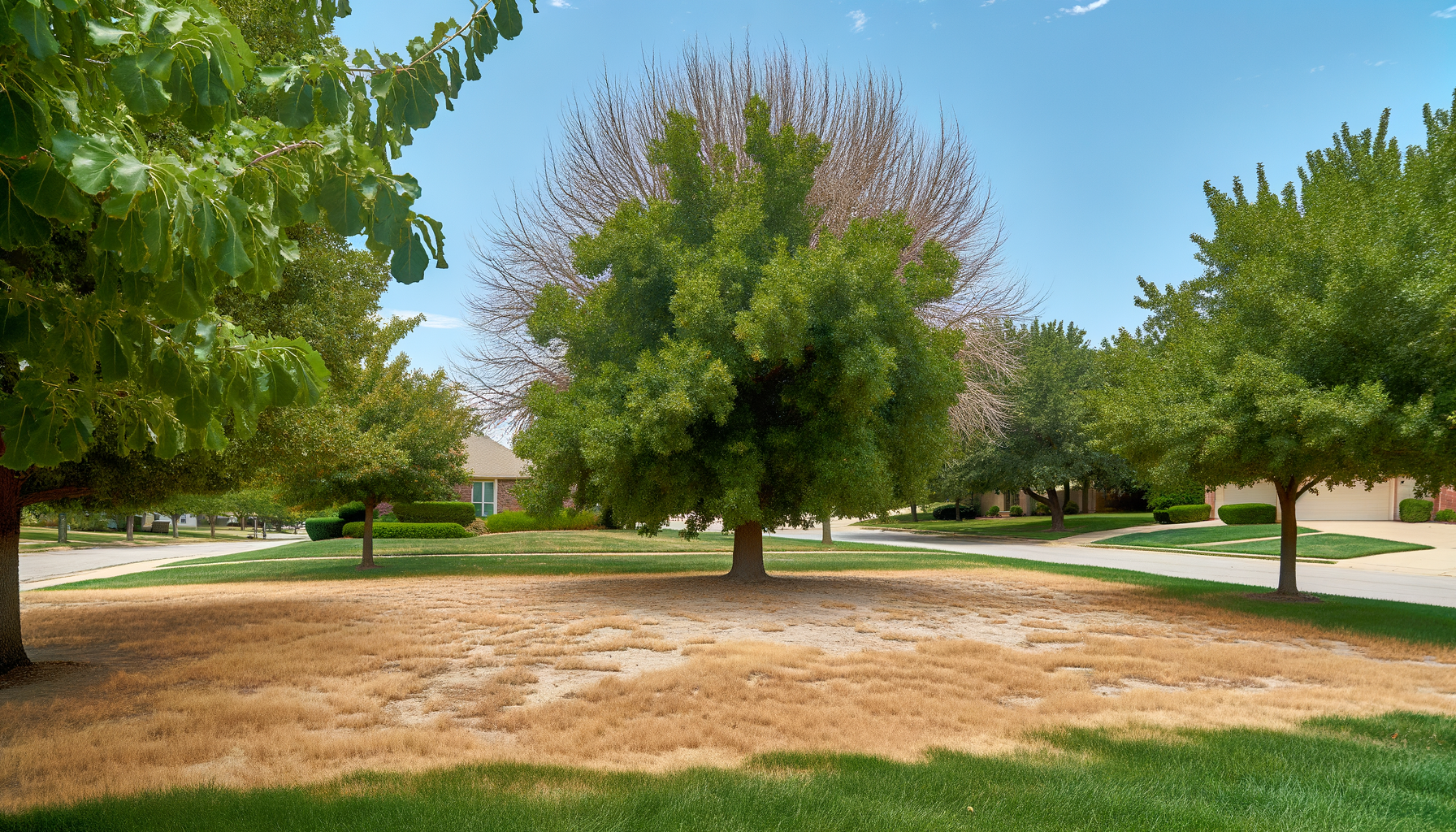
Drought Tree Care Tips for Kansas City
by gradeatreeTree Care0 comments
Drought Tree Care Tips for Kansas City Guide
During periods of drought, trees in Kansas City face unique challenges that require special attention. With the right knowledge and techniques, you can help your trees thrive even in the toughest conditions. In this guide, we'll explore effective strategies for tree care in drought conditions, focusing on the needs of the Kansas City metro area.
Key Takeaways
- Understand the importance of watering and mulching during drought.
- Learn how local climate influences tree care practices.
- Discover how Grade A Tree Care's expertise benefits your trees.
Understanding Drought Impact on Trees
Drought conditions can lead to significant stress for trees, making them susceptible to diseases and pests. The lack of moisture affects a tree's ability to photosynthesize, leading to weakened growth and vitality.
Symptoms of Drought Stress
- Wilting or browning leaves
- Premature leaf drop
- Stunted growth
By recognizing these symptoms early, you can take action to mitigate the damage.
Effective Watering Techniques
Proper watering is crucial for tree survival during drought. Here are some tips:
Deep Watering
Focus on deep watering to ensure moisture reaches the root zone. Water slowly and deeply, allowing the soil to absorb it gradually.
Optimal Timing
Water trees early in the morning or late in the evening to minimize evaporation.
For more detailed information on watering, visit our Kansas City Tree Watering Techniques blog post.
The Role of Mulching
Mulching helps retain soil moisture, regulate soil temperature, and prevent weed competition. Apply a 2-4 inch layer of organic mulch around the base of your trees, keeping it away from the trunk.
Pruning and Maintenance
Regular pruning helps trees maintain their health by removing dead or diseased branches. This reduces stress and encourages healthier growth.
For professional pruning services, consider our Tree Trimming & Pruning service.
Choosing Drought-Resistant Trees
Opting for drought-resistant tree species can significantly reduce maintenance during dry spells. Native species to Missouri and Kansas, such as the Eastern Redbud and Bur Oak, are excellent choices.
Why Local Expertise Matters
Local companies like Grade A Tree Care understand the specific challenges of the Kansas City climate, providing tailored solutions that generic services may overlook.
Grade A Tree Care's Annual Tree Care Program
Our A-List Reward Program offers comprehensive care packages to keep your trees healthy year-round, ensuring they withstand even the harshest droughts.
Conclusion
Drought conditions in Kansas City require specialized tree care strategies to ensure tree health and longevity. By implementing effective watering techniques, choosing the right species, and seeking local expertise, you can protect your trees from drought stress. Contact Grade A Tree Care today and take advantage of our expert Tree Treatment services.
For further assistance, explore our 24-Hour Emergency Service for urgent tree care needs.
Sources & References
Professional Tree Care in Kansas City
Keep your trees healthy year-round with our Annual Tree Care Program. For $75/year, get expert inspections, pruning advice, and priority scheduling. Serving the Kansas City metro area.
Learn about the Annual Tree Care ProgramSources & References
Frequently Asked Questions
How often should I water my trees during a drought?
Water trees deeply once or twice a week during a drought. Focus on the root zone to ensure adequate moisture absorption.
What type of mulch is best for drought conditions?
Organic mulch such as shredded bark or wood chips is ideal, as it helps retain moisture and regulate soil temperature.
Why should I choose native trees for drought resistance?
Native trees are adapted to local climate conditions, making them more resilient to drought and requiring less maintenance.
Can pruning help my trees during a drought?
Yes, pruning removes dead or diseased branches, reducing stress and promoting healthier growth in drought conditions.
0 Comments
Add a comment