
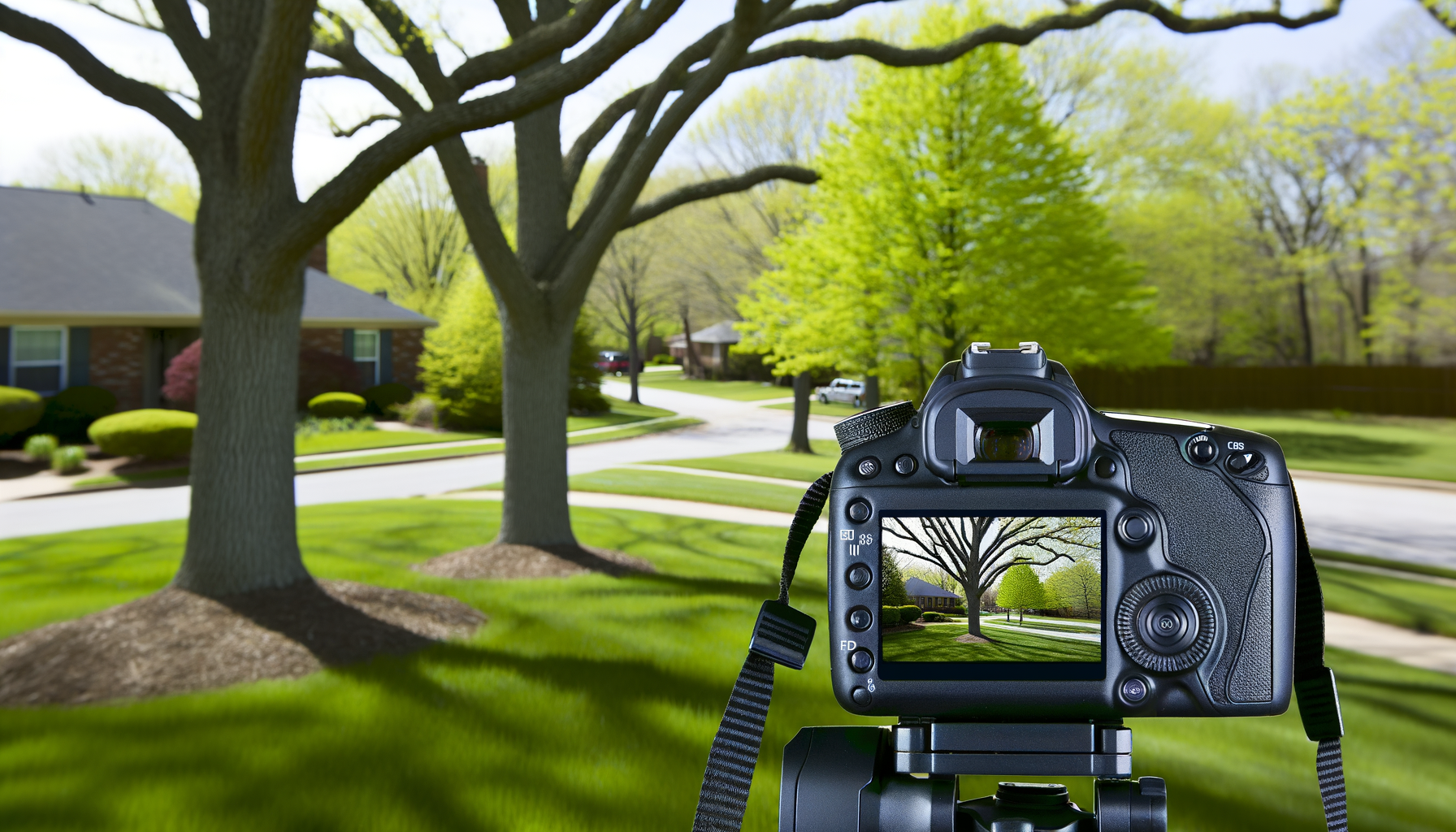
Kansas City Urban Tree Health Tips
by gradeatreeTree Care0 comments
Kansas City Urban Tree Health Tips Guide
Urban trees play a critical role in enhancing the beauty and ecological balance of our cities. In the Kansas City metro area, maintaining the health of these trees is essential for environmental sustainability and community well-being. This guide provides you with valuable urban tree health tips to ensure your trees thrive in an urban setting.
Key Takeaways
- Urban trees require special care due to pollution and space constraints.
- Regular inspections and timely treatments are crucial for tree health.
- Professional care from local experts like Grade A Tree Care ensures optimal results.
Understanding Urban Tree Challenges
Pollution and Soil Compaction
Urban environments pose unique challenges for trees, such as air pollution and soil compaction. The presence of pollutants can interfere with photosynthesis, while compacted soil restricts root growth.
Limited Space
Trees in cities often have limited space for root and canopy expansion, leading to stress and potential health issues. Regular pruning and strategic planting can mitigate these challenges.
Essential Urban Tree Health Tips
Regular Inspections
Conduct regular inspections to identify early signs of disease or pest infestations. Look for discolored leaves, unusual growth patterns, or visible damage.
Proper Watering Techniques
Urban trees might struggle with water availability. Ensure you water deeply and infrequently to encourage deep root growth, especially during dry spells.
Nutrient Management
Urban trees may need supplemental nutrients. Conduct soil tests to identify deficiencies and amend the soil accordingly, ensuring balanced tree nutrition.
Choosing the Right Tree Species
Selecting tree species that thrive in urban conditions is critical. Consider native species that are well-adapted to the local climate and soil conditions of Kansas City.
Benefits of Native Species
Native trees are more resilient to local pests and diseases and require less maintenance, making them ideal for urban settings.
Professional Tree Care Services
Why Choose Local Experts?
Hiring a local, experienced tree care company like Grade A Tree Care ensures personalized service tailored to Kansas City's unique environment. Local experts understand regional challenges, offering effective solutions.
Grade A Tree Care Services
Explore our tree treatment services to address specific tree health concerns. Additionally, consider our tree trimming and pruning services to maintain tree structure and health.
Visit our A-List Reward Program for comprehensive, year-round tree care management.
Maintaining Urban Tree Health: Seasonal Tips
Spring and Summer
Focus on pest control and soil health. Apply mulch to conserve moisture and protect roots from heat stress.
Fall and Winter
Prune trees to remove dead or weak branches. Invest in protective measures to shield trees from harsh winter conditions.
Conclusion
Maintaining urban tree health in Kansas City requires a proactive approach and expert care. By following these urban tree health tips, you can ensure the vitality and longevity of your trees. Trust Grade A Tree Care for professional services and join our Annual Tree Care Program for year-round support.
For more information, check our detailed tree removal services and stump grinding and removal offerings.
Sources & References
Professional Tree Care in Kansas City
Keep your trees healthy year-round with our Annual Tree Care Program. For $75/year, get expert inspections, pruning advice, and priority scheduling. Serving the Kansas City metro area.
Learn about the Annual Tree Care ProgramSources & References
Frequently Asked Questions
What are common signs of unhealthy urban trees?
Common signs include discolored leaves, dead branches, and visible pest infestations. Regular inspections can help detect these issues early.
Why is professional tree care important?
Professional tree care ensures trees are properly inspected, maintained, and treated, which enhances their health and longevity, especially in urban areas.
How often should urban trees be pruned?
Urban trees should be pruned every 3-5 years depending on the species and growth rate. Regular pruning helps maintain tree structure and health.
What makes native trees better for urban areas?
Native trees are adapted to local conditions, making them more resilient to pests and diseases while requiring less maintenance.
0 Comments
Add a comment