
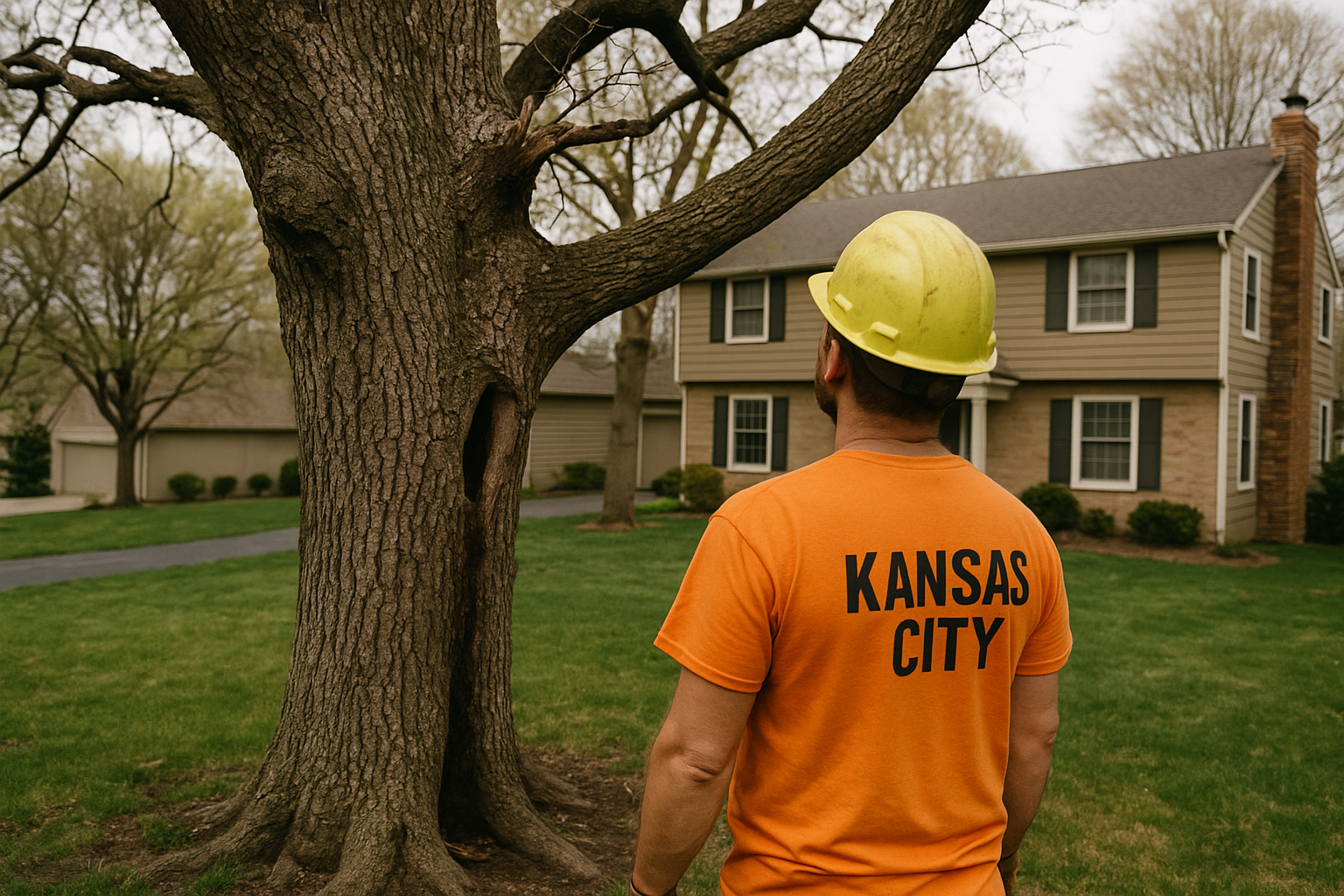
Signs your Tree Needs Professional Arborist Inspection in Kansas City
by gradeatreeTree Care0 comments
A thriving landscape is a living legacy. Yet the structural integrity of your timber is invisible to the untrained eye. In the heart of the Midwest, environmental stressors - from ice storms to invasive pests - compromise the stability of a tree long before it collapses. Recognize the early signs your tree needs professional arborist inspection in Kansas City; learn the difference between a routine pruning and a catastrophic property loss.
What is an Arborist Assessment?
Unlike a standard trim, an assessment is a diagnostic forensic audit. A specialist:
- Evaluates the biological health
- Assess the mechanical stability of the specimen
- Identifies internal decay (that external appearances might mask)
Why Kansas City Trees Face Unique Risks?
Local flora battles extreme temperature swings and heavy clay soils. These conditions lead to ‘stress-fused’ growth patterns. The trees appear healthy but possess brittle internal structures prone to failure during high-wind events.
Red Flags in the Greenest Forest: Signs Your Tree Needs Professional Arborist Inspection in Kansas City
Deadwood and ‘Widow-Makers’ in the Canopy
Large, leafless branches clinging to the upper crown are ticking time bombs. These ‘widow-makers’ indicate the tree is self-pruning due to lack of nutrients or systemic disease. This poses an immediate falling hazard to anyone below.
Cankers, Cavities, and Deep Bark Cracks
Deep fissures or sunken ‘cankers’ in the trunk suggest the vascular system is failing. If you notice localized bark loss or holes where squirrels or birds are nesting, the heartwood may be hollowed out by rot.
The Lean: When a Tilt Becomes a Threat
Not all leans are lethal. But, a sudden shift, especially if the soil at the base is mounded or ‘heaving’, is one of the critical signs your tree needs professional arborist inspection in Kansas City. This indicates that the root plate is no longer anchoring the weight of the canopy.
Fungal Growth and Root Rot at the Base
Mushrooms or ‘conks’ growing at the root flare are the fruiting bodies of internal decay. By the time fungi are visible, the root system is significantly compromised by moisture-driven pathogens.
Premature Leaf Drop or Discoloration
When a tree sheds leaves in mid-summer or displays stunted, yellowing foliage, it is screaming for help. This points to soil compaction or nutrient deficiencies which are addressed by our professional tree care services in Kansas City.
The Benefits of a Certified Arborist vs. a 'Guy with a Chainsaw'
Hiring an amateur is a liability risk. But, a certified expert understands tree biology and physics. He ensures that ‘remedial pruning’ does not actually kill the tree.
For peace of mind, homeowners look to Grade-A Tree reviews to verify the caliber of expertise needed for complex removals and health plans.
When to Schedule Your Inspection?
Ideally, an audit should occur in late winter or early spring before the ‘leaf-out’ obscures the branch architecture. However, any post-storm observation of hanging limbs warrants an urgent call to Grade-A Tree Care.
The Bottom Line
Proactive maintenance is more reasonable than emergency removal. Identify the specific signs your tree needs professional arborist inspection in Kansas City. Safeguard your home. Your landscape should remain a vibrant, safe sanctuary for generations to come.
Professional Tree Care in Kansas City
Keep your trees healthy year-round with our Annual Tree Care Program. For $75/year, get expert inspections, pruning advice, and priority scheduling. Serving the Kansas City metro area.
Learn about the Annual Tree Care Program
0 Comments
Add a comment