
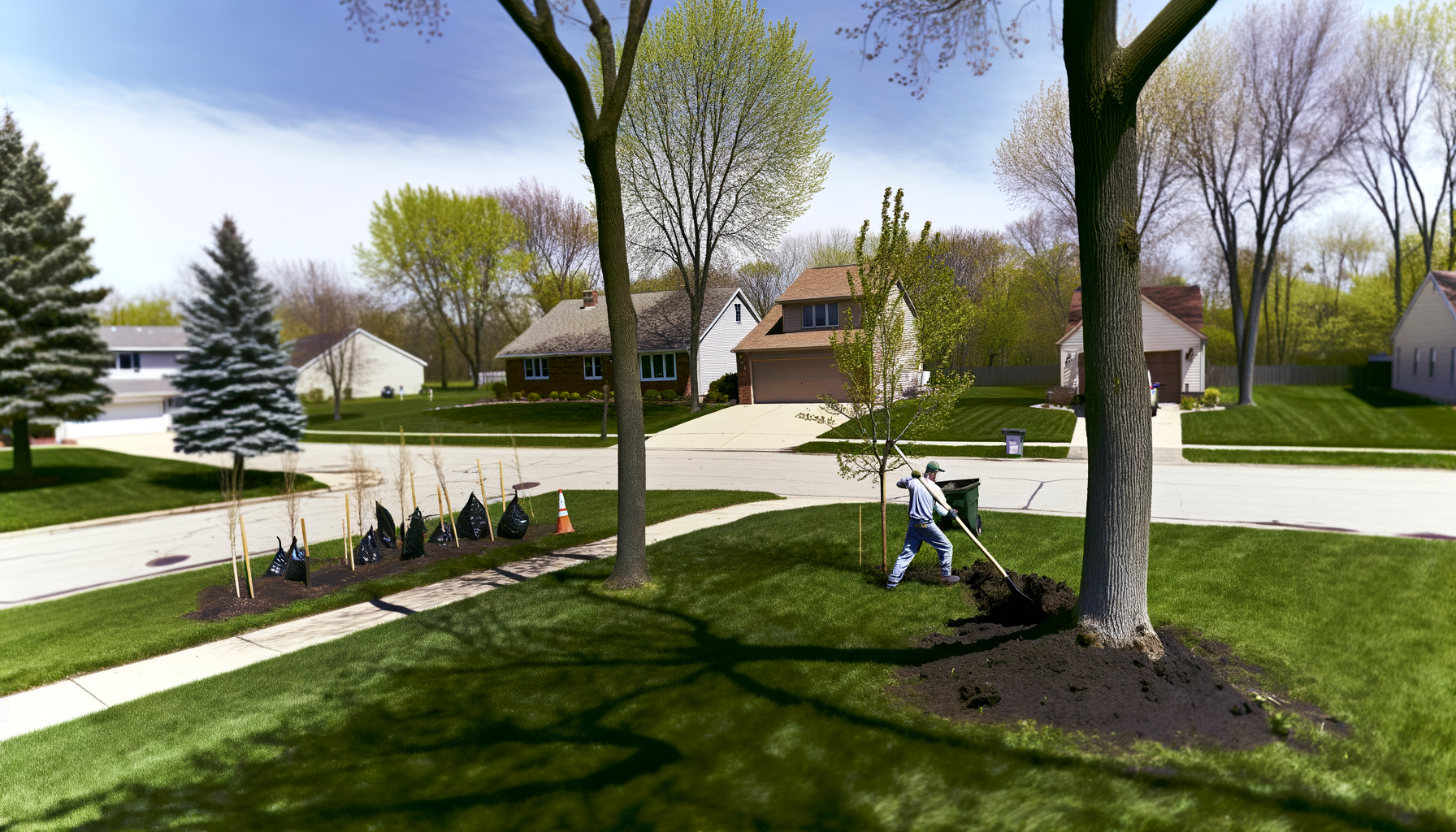
Tree Planting Tips Post-Flood in Kansas City
by gradeatreeTree Care0 comments
Key Takeaways
- Flooding impacts soil composition, affecting tree planting.
- Choosing the right tree species is crucial for flood-prone areas.
- Grade A Tree Care offers expert services to ensure successful post-flood planting.
Understanding Flood Impact on Soil
Floods can drastically alter soil composition by compacting it, washing away nutrients, and increasing soil salinity. In Kansas City, the aftermath of a flood requires careful assessment of soil conditions before planting.
Soil Testing and Preparation
To ensure successful tree planting after a flood, begin with a soil test to evaluate pH levels and nutrient content. Contact your local extension office for testing services. Based on results, amend the soil with organic matter to improve drainage and nutrient content.
Selecting the Right Tree Species
Choosing trees that are resilient to flooding is crucial. Native species are often better adapted to local conditions and can withstand excess moisture.
Recommended Trees for Flood-Prone Areas
- Bald Cypress: Known for its ability to thrive in wet conditions.
- Swamp White Oak: Tolerant of both wet and dry soils.
- Red Maple: A versatile option that adapts well to different environments.
Consult with local experts or resources like the Missouri Botanical Garden for guidance on tree selection.
Planting Techniques Post-Flood
Proper planting techniques are vital for tree survival post-flood.
Steps for Effective Planting
- Digging the Right Hole: Ensure the planting hole is twice the width and the same depth as the tree's root ball.
- Proper Root Positioning: Place the tree so that the root flare is at ground level.
- Backfilling and Watering: Use native soil to backfill and water thoroughly to eliminate air pockets.
Ongoing Tree Care and Maintenance
After planting, consistent care is essential to help trees establish strong roots.
Watering and Mulching
- Watering: Regular but not excessive watering is critical. Monitor soil moisture levels.
- Mulching: Apply a 2-3 inch layer of mulch around the base to retain moisture and regulate temperature.
For detailed care, consider Grade A Tree Care's Annual Tree Care Program.
The Importance of Local Expertise
Choosing a local, experienced company like Grade A Tree Care ensures familiarity with Kansas City's unique climate and soil conditions, offering tailored solutions for tree planting after a flood.
Conclusion
Planting trees after a flood requires careful consideration of soil conditions, species selection, and maintenance. For expert assistance, contact Grade A Tree Care to ensure your trees thrive.
Call to Action
Ready to restore your landscape? Explore our Annual Tree Care Program and contact Grade A Tree Care for professional tree planting and maintenance services.
Sources & References
- Missouri Botanical Garden
- USDA Plant Hardiness Zone Map
Professional Tree Care in Kansas City
Keep your trees healthy year-round with our Annual Tree Care Program. For $75/year, get expert inspections, pruning advice, and priority scheduling. Serving the Kansas City metro area.
Learn about the Annual Tree Care ProgramSources & References
Frequently Asked Questions
What trees are best for planting after a flood in Kansas City?
Consider flood-tolerant species like Bald Cypress, Swamp White Oak, and Red Maple, which adapt well to wet conditions.
How does flooding affect soil for tree planting?
Flooding can compact soil, wash away nutrients, and increase salinity, necessitating soil testing and amendment before planting.
Why should I hire a local tree service in Kansas City?
Local services like Grade A Tree Care understand the unique climate and soil conditions, providing tailored solutions for successful tree planting.
0 Comments
Add a comment