
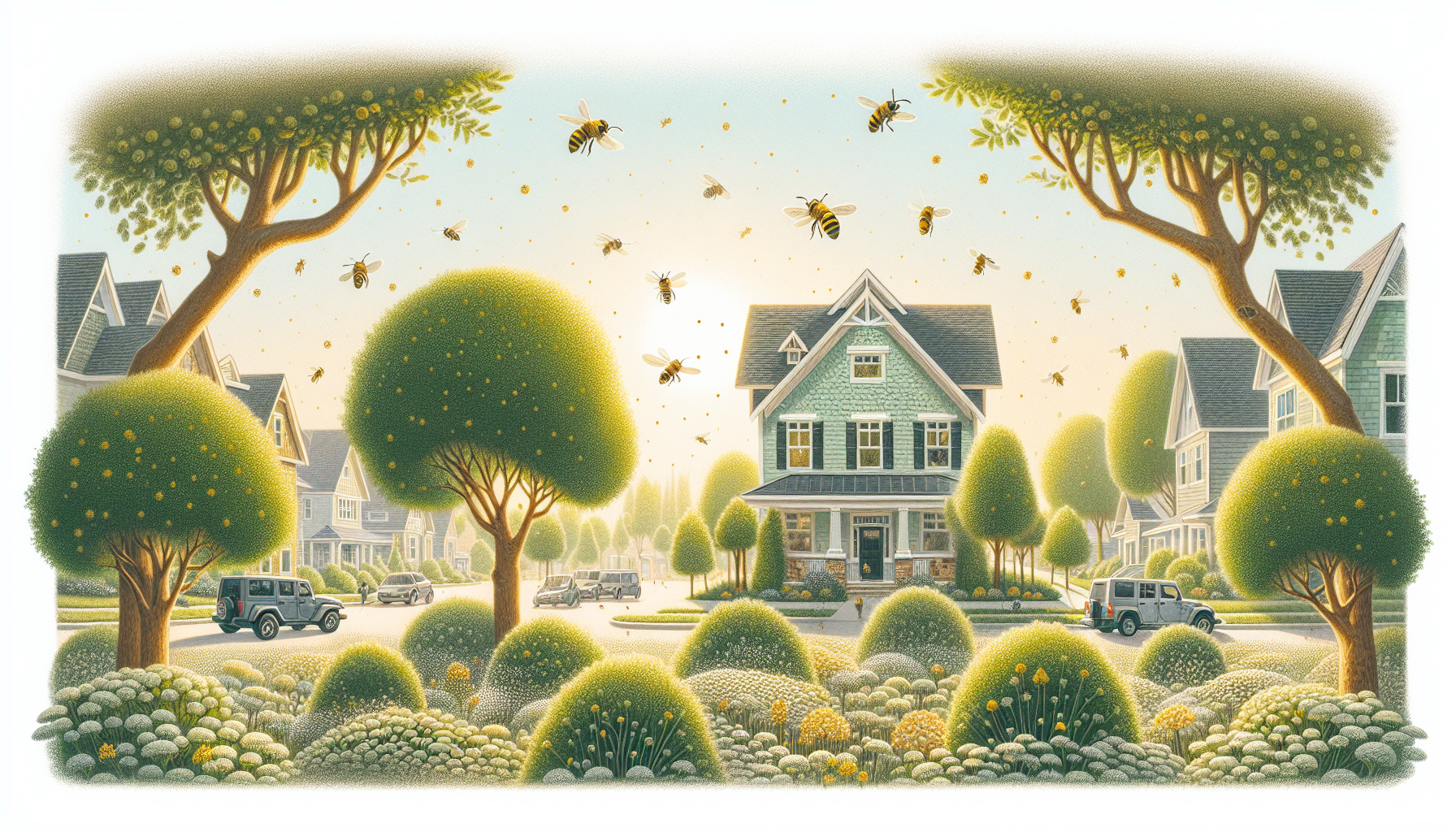
Guide to Tree Pollination in Kansas City
By Phil Giordano, Founder and ConsultantUpdated Tree Care0 comments
Understanding Tree Pollination in Kansas City
Tree pollination is a crucial natural process that affects the growth and health of trees in Kansas City. With a diverse range of tree species, understanding how pollination works can enhance tree care practices.
What is Tree Pollination?
Pollination is the process by which pollen is transferred from the male parts of a flower to the female parts, leading to fertilization. In Kansas City, this process supports the reproduction of a variety of trees, including oaks, maples, and honey locusts.
Key Takeaways
- Pollination is essential for tree reproduction and ecosystem health.
- Kansas City's diverse tree species require different pollination strategies.
- Professional tree care can optimize pollination conditions.
Tree Species and Their Pollination Methods
Common Tree Species in Kansas City
Kansas City is home to numerous tree species, each with unique pollination needs. The most common include:
- Oaks: Wind-pollinated, requiring minimal insect interaction.
- Maples: Utilize wind and insects for effective pollination.
- Honey Locusts: Rely on bees and other insects.
Pollination Challenges
Climate conditions, urban development, and disease can impact tree pollination in Kansas City. Addressing these challenges is essential for maintaining healthy tree populations.
Enhancing Pollination Through Tree Care
Importance of Tree Treatment
Proper tree treatment can improve the pollination process by ensuring trees are healthy and free from pests and diseases. Explore our tree treatment services for expert solutions.
Role of Tree Trimming and Pruning
Regular tree trimming and pruning can enhance air circulation and light penetration, promoting better pollination.
Local Climate and Its Impact
Kansas City Climate Overview
Missouri's climate, characterized by hot summers and cold winters, influences the timing and success of pollination. Understanding these patterns helps in planning tree care activities.
Adjusting Care for Seasonal Changes
Adapt tree care strategies to match seasonal changes, ensuring that trees are prepared for the pollination season.
Why Choose Local Tree Care Experts?
Benefits of Hiring Grade A Tree Care
Choosing a local company like Grade A Tree Care means benefiting from expertise in Kansas City's specific ecological conditions. Our A-List Reward Program offers tailored services for optimal tree health.
Local Knowledge and Experience
Our team understands the unique challenges of tree care in the Kansas City metro area, providing personalized solutions that out-of-area companies cannot match.
Conclusion
Tree pollination is an intricate process influenced by various factors. By partnering with a knowledgeable local provider like Grade A Tree Care, you can ensure your trees receive the best care possible. Visit our Annual Tree Care Program to learn more.
FAQs About Tree Pollination in Kansas City
People Also Ask
- What trees are common in Kansas City? Kansas City features a variety of trees, including oaks, maples, and honey locusts.
- How does weather affect tree pollination? Weather impacts pollination by influencing flowering times and pollen viability. Hot, dry conditions can hinder successful pollination.
- Why is tree trimming important for pollination? Trimming improves air and light access, aiding in the distribution of pollen and overall tree health.
- How can I support local tree pollination? Engage in regular tree care, including professional treatments and pruning, to create optimal conditions for pollination.
Sources & References
Professional Tree Care in Kansas City
Keep your trees healthy year-round with our Annual Tree Care Program. For $75/year, get expert inspections, pruning advice, and priority scheduling. Serving the Kansas City metro area.
Learn about the Annual Tree Care ProgramSources & References
Frequently Asked Questions
What trees are common in Kansas City?
Kansas City features a variety of trees, including oaks, maples, and honey locusts.
How does weather affect tree pollination?
Weather impacts pollination by influencing flowering times and pollen viability. Hot, dry conditions can hinder successful pollination.
Why is tree trimming important for pollination?
Trimming improves air and light access, aiding in the distribution of pollen and overall tree health.
How can I support local tree pollination?
Engage in regular tree care, including professional treatments and pruning, to create optimal conditions for pollination.
0 Comments
Add a comment